

Are Duplex Foreclosures Rising in Minnesota and the Twin Cities? Here’s What’s Driving It
 I’m one of the Realtors who stayed in business during the Great Recession.
During those challenging years, I developed a skill set I haven’t had to use in a normal, good or great market.
Nonetheless, old habits die hard. So every now and then I find myself turning to old resources to see if there’s anyone falling behind on mortgage payments or in full-on foreclosure that I could help.
The other day I found myself doing just that. And while it’s anecdotal vs scientific, it seemed to me the number of Twin Cities area duplexes, triplexes and fourplexes I saw in some state of the foreclosure process was about double what it was the last time I looked.
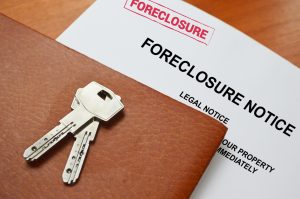
So are foreclosures up in Minnesota? The short answer is yes. The Twin Cities metro is where most of the activity is. But “up” needs to be put in context. We’re coming off record lows, and nothing in the data looks like 2008.
Nationally, ATTOM, which is a real estate data company, counted 227,548 properties with a foreclosure filing in the first half of 2026, up 21% from the same period in 2025. That includes default notices, scheduled auctions, and bank repossessions. They do not bifurcate what kinds of properties these are. While it’s likely some are small multifamily buidings, it is reasonable to assume the vast majority are single-family homes.
Minnesota rose faster than the nation. The state had 3,145 properties with filings in the first half of 2026, up about 43% from the first half of 2025, according to ATTOM. Foreclosure starts, which is the earliest stage, climbed about 24%. Even so, that works out to roughly 1 in every 809 housing units, which puts Minnesota in the middle of the pack nationally.
Most of Minnesota’s distress is concentrated in the metro. Data firm BatchData reported about 5,800 active pre-foreclosures statewide in July 2026. Hennepin County alone had more than 1,400, nearly a quarter of the state total, and Hennepin, Ramsey, Dakota, Anoka, and Washington counties together held more than half.
So why the increase?
- The pandemic safety net is gone. Foreclosures were artificially low for years thanks to forbearance and generous loan workout programs. As those wound down, activity has been drifting back toward normal levels.
- FHA tightened its rules. In October 2025, FHA began requiring delinquent borrowers to complete a trial payment plan before getting a permanent fix, and borrowers who default again within 24 months lose access to more help. FHA delinquencies jumped after the change. FHA loans are a popular way for owner-occupants to buy a duplexes, triplexes or fourplexes.
- Insurance and taxes are pushing up payments. Minnesota’s homeowners insurance premiums rose 34% in 2025, the biggest increase in the nation, according to Insurify. Property taxes are rising too. Both get rolled into escrow, so even owners with a low fixed rate are seeing their monthly payment climb.
- Newer buyers have less cushion. Nearly half of foreclosures nationally now involve newer loans, according to ICE and Auction.com. Owners who bought recently, at higher prices and rates, have less equity to fall back on if they need to sell.
- Everyday costs and job losses. Inflation and layoffs in some industries are stretching household budgets, and a lost paycheck can turn a manageable payment into an impossible one.
- Higher interest rates. Owners with mortgages at 3-4% may find they can’t sell the property for the amount they paid or refinanced at. For those who have to sell because of life circumstances, this may lead some to do a short sale or stop making payments altogether.
Before you get too excited as a buyer, or despondent as an owner, this isn’t 2008. Lending standards are tighter than before the last crash, and most owners still have solid equity. Someone who falls behind can often sell, pay off the loan, and walk away with money rather than losing the property.
What should you expect?
For investors, expect a bit more distressed inventory, like short sales, sheriff sales, and properties in redemption, but not a flood of them. Minnesota’s redemption period, usually six months, means foreclosures move slowly.
For owners who are struggling, call your loan servicer early. Reach out to the Minnesota Homeownership Center for free foreclosure prevention counseling. If you have equity, selling before a sheriff sale is almost always better than losing the property.
And of course, if you want to do a short sale or just want out of your small multifamily property, give me a call. I’ve done this before.