

What Minneapolis Duplex Owners Need to Know Before Buying Their First Apartment Building
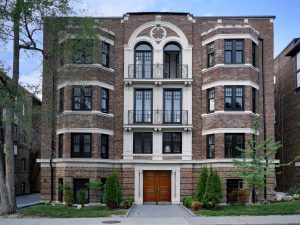 Many Minneapolis and St Paul duplex buyers early in their journey to real estate investment can’t wait to buy a 5, 8, 10 or 12 unit apartment building.
The thinking is a bigger building means bigger returns. The reality is actually more nuanced than that. The jump in units isn’t just about adding more doors to manage. It’s actually a completely different financing world, a different valuation approach, and a different resale reality.
Advantages to Bigger Buildings
Cash flow scales, and so does wiggle room. One vacant unit in a duplex is 50% of your income gone. One vacant unit in a 10-unit is 10%. That cushion is huge when a Minneapolis tenant skips out mid-winter.
Economies of scale in management. One roof, one furnace system (often), one trip to the property for multiple rent checks. The expense per door drops as the unit count rises; especially on things like landscaping and snow removal.
Forced appreciation through NOI. Unlike a duplex, a 5+ unit building is valued almost purely on its income. Raise rents, cut expenses, and directly increase the building’s value. This is the single biggest mental shift buyers need to make. It’s like buying a small business as much as buying a building.
Easier to afford a property manager. At 5-14 units, the income can actually help pay someone else to deal with 3 AM maintenance calls.
The Disadvantages
No owner-occupant financing. No more 3.5% or 5% down payment and 30-year amortization schedules that owner-occupants enjoy. Now a 20-30% or more down payment may be required. The loan may be amortized over 20 or 25 years, and the interest rate may be higher, making the monthly mortgage payments bigger too.
Bigger problems, bigger dollars. A roof on a 12-unit building isn’t 6x the cost of a duplex roof. In fact, it’s often worse, because now it may involve commercial-grade materials and licensed contractors who price accordingly.
Tenant mix complexity. More units means more lease renewals to track, and more potential for one bad tenant to affect others (noise complaints, shared common areas). This is a people problem, and it often takes more time than the math problems.
Resale Value. This is the part nobody tells you when you’re excited about jumping into that 8-unit building: the buyer pool for 5-14 unit properties is like a kiddie pool. The 1-4 unit world has the deepest buyer pool, period. Owner-occupants with FHA and VA financing, house hackers, first-time and experienced investors can play in that sandbox. The low barrier to entry means maximum demand when you go to sell. That means a higher price and more equity. A duplex or fourplex in a solid Minneapolis neighborhood will always have eyes on it.
Meanwhile, bigger players want scale. That means buildings with 20+ units, sometimes even 50+. Big buildings justify a dedicated property management company. Syndicators, REITs, and institutional buyers are not interested in a 9-unit building. Their return math only works at scale.
That leaves 5-14 unit buildings stuck in the middle. They’re priced out most owner-occupants (no more FHA/VA), but too small for the big institutional money. The buyer pool is essentially limited to local/regional small-scale investors, 1031 exchange buyers, or other landlords looking to consolidate or grow a small portfolio.
That means longer market time, lower prices, and fewer buyers.
None of this is to say the 5-14 unit range is a bad investment. In fact, it may even represent an opportunity because fewer buyers understand and want to deal with it. Less competition may mean lower purchase prices. Just know when it comes time to sell, it won’t have the liquidity of a fourplex. This is a longer-hold, have-an-exit-plan kind of property, not something to quickly flip.